The most expensive planning error is often a connection that looked easy in isolation. A train reaches the city, but not your ferry terminal. A ship docks on time, but your onward departure uses a different port. A flight seems short until airport transfers and baggage collection are included. Build each travel day as a complete sequence before deciding how much sightseeing it can hold.
Read the rail journey carefully
For Copenhagen–Stockholm, check SJ and DSB using your actual travel date. The Copenhagen–Malmö connection uses the Øresund corridor, but this does not mean every onward journey has the same stopping pattern or booking conditions. Engineering work can introduce replacement transport, altered stations or additional changes. Read the details again shortly before travelling.
For Oslo–Bergen, use Vy to inspect the service, seating and conditions. Treat the journey as a major part of the day rather than a short commute between hotel stays. If you want daylight scenery, compare the departure with seasonal daylight and remember that weather can affect visibility. A scenic reputation is not a guarantee of a clear view.
A rail pass can be useful for a flexible, rail-heavy route, but it is not a universal ticket. Check country coverage, service eligibility, seat reservations and any supplements before calculating savings. Local transport and ferry travel may be excluded or discounted rather than included. Compare a pass plus all required extras with the actual point-to-point fares available for your dates.
Give ferry travel its own checklist
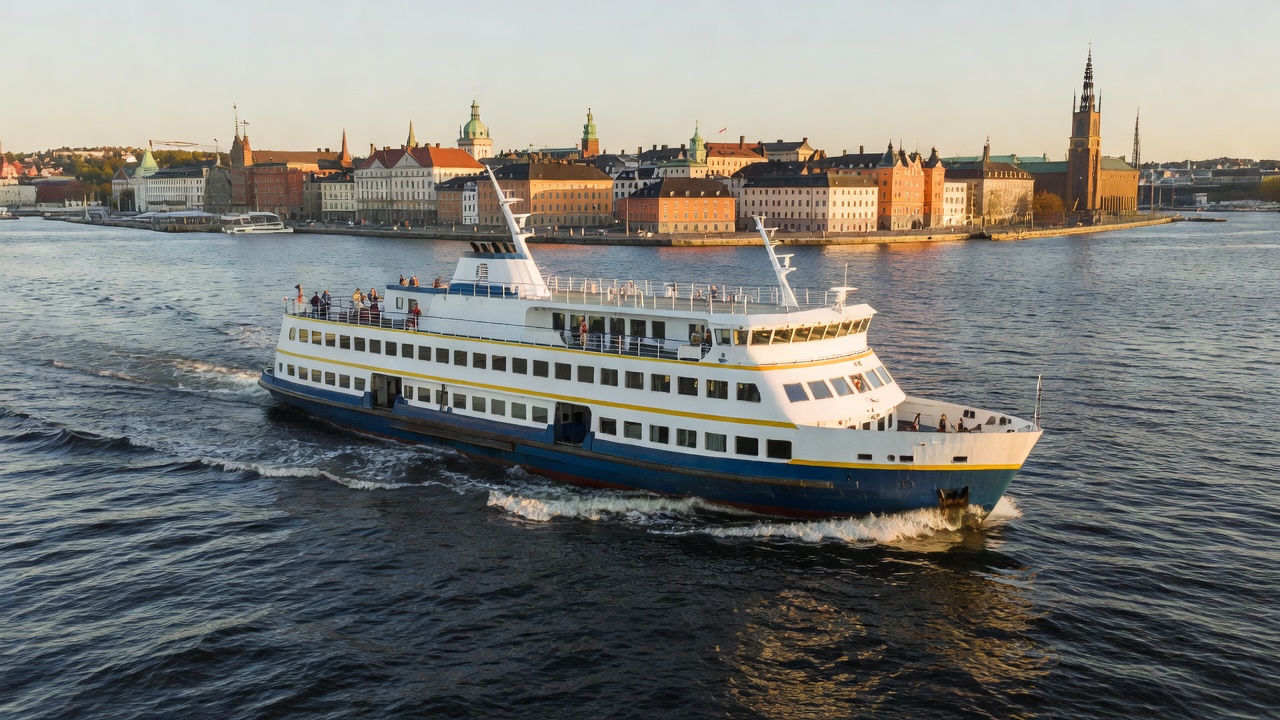
Stockholm–Helsinki is an established overnight ferry corridor, with services offered by operators including Tallink Silja Line and Viking Line. Check the selected sailing rather than assuming a daily departure, identical terminals or the same cabin rules across operators. Some sailings call at Åland, and port names deserve close attention.
Compare the total cabin price, occupancy, meals, cancellation terms and terminal transfers. An overnight crossing only replaces a hotel night if the schedule and sleeping arrangement genuinely suit you. Keep medication, a charger and an overnight layer in an accessible bag. Vehicle-deck access can be restricted during a sailing, so do not leave essentials in a car without checking the operator’s instructions.
Arrive by the operator’s stated check-in deadline, not merely before the published departure. Foot passengers and vehicle passengers may have different instructions. Allow extra time if you need assistance, have unfamiliar documents or are travelling with children. If you are prone to motion sickness, seek appropriate professional advice before travelling rather than relying on a calm-weather assumption.
Keep Iceland as a deliberate branch
Iceland has no passenger railway network. For many short multi-country holidays, flying is the practical link between Reykjavík and the mainland Nordic cities. International flights commonly use Keflavík Airport, which is outside Reykjavík; do not confuse it with Reykjavík’s city airport. Check the actual airport code, transfer options, luggage rules and check-in requirements on each booking.
There is a sea connection between Denmark and Iceland via the Faroe Islands operated by Smyril Line. It is a substantial journey with a timetable and seasonal pattern that need separate study, not a quick substitute for an evening flight. It also does not arrive in Reykjavík. Choose it because the voyage fits your trip, not because both countries appear on the same regional map.
Protect the gaps between bookings
Two separately purchased tickets do not automatically create a protected connection. If the first service is delayed, the next operator may have no obligation to move you without charge. Check the contractual conditions, passenger rights and insurance wording that apply to your actual journey. For an expensive or infrequent onward departure, an overnight buffer may be more sensible than a narrow same-day connection.
Check arrival station, exact terminal, local transport and check-in closure.
Add airport exit time, bags, ground transport and accommodation access.
Three facts with practical consequences
Denmark, Finland, Iceland, Norway and Sweden are all in the Schengen Area. This does not remove the need for valid travel documents, and temporary internal checks can occur. Entry and visa requirements depend on nationality and circumstances; verify them with the relevant authorities.
Finland is one hour ahead of Sweden, including across their usual seasonal clock changes. Iceland stays on UTC throughout the year, so its difference from mainland Nordic countries varies seasonally. Booking times are generally local to the relevant departure or arrival point, but check the ticket’s convention. Save your confirmation offline and set your calendar deliberately rather than trusting an automatic import.